

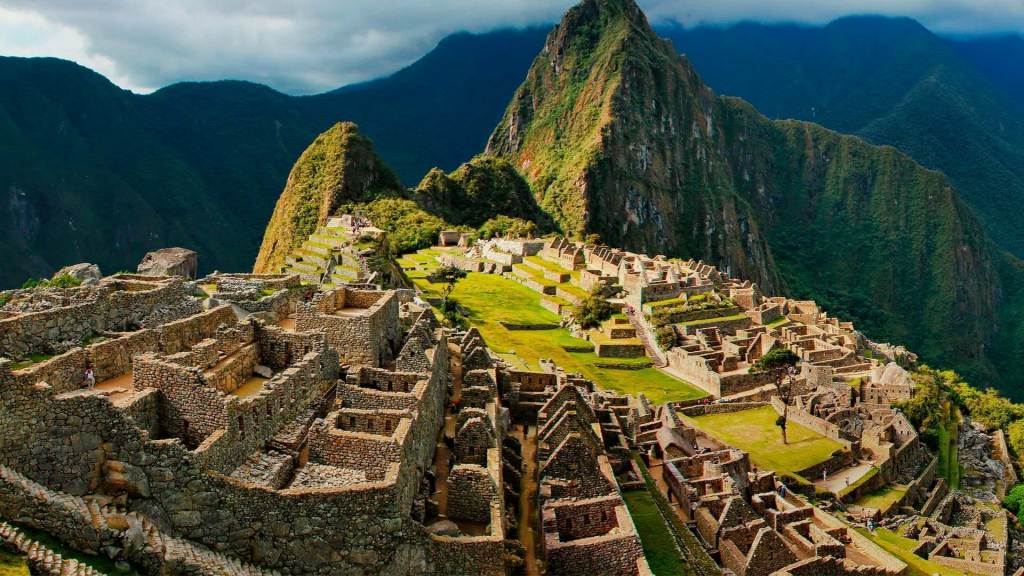
Archaeological teams working in Peru have uncovered a previously unknown settlement dating back over 1,000 years. The site, located in the Andean highlands, provides new insights into pre-Columbian civilizations in the region.
The discovery was made during a routine survey by researchers from the National University of San Marcos in partnership with international archaeological institutes. Initial excavations have revealed well-preserved structures, pottery, and textiles that offer clues about daily life in the ancient community.
“What makes this site particularly significant is its state of preservation,” noted the project director. “The dry highland climate has protected organic materials that typically don’t survive, giving us a rare window into the past.”
Preliminary analysis suggests the settlement was home to several hundred people and served as a regional center for trade and craft production. Evidence of advanced irrigation systems indicates sophisticated agricultural practices adapted to the challenging mountain environment.
The team has also found artifacts suggesting contact with coastal communities, including shells and marine materials that would have been traded inland. This supports theories about extensive trade networks connecting different ecological zones in pre-Columbian South America.
Excavation work will continue over the next several years, with teams using modern techniques including ground-penetrating radar and DNA analysis to learn more about the site’s inhabitants and their relationship to other known cultures in the region.
Leave a Reply