
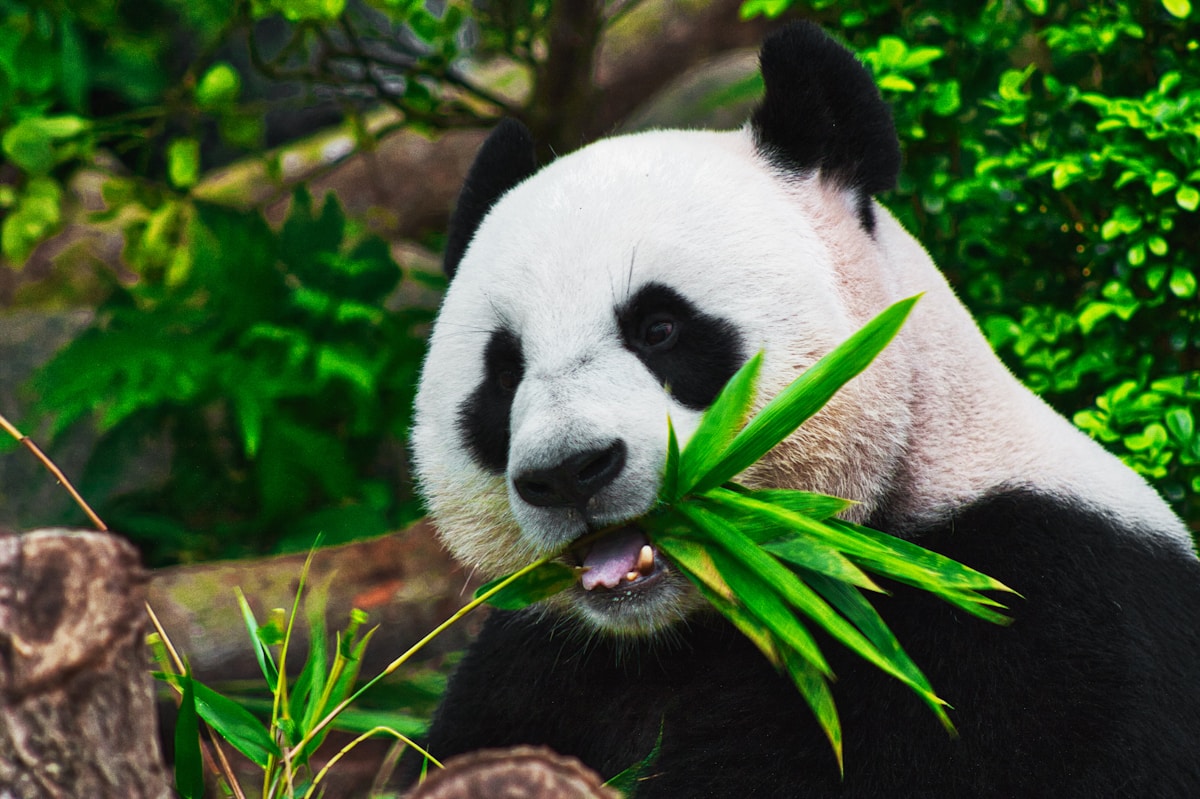
Edinburgh Zoo has announced the birth of the first giant panda cub ever born in the United Kingdom, describing the arrival as a “historic moment” for conservation efforts.
The female cub, weighing just 142 grams at birth, was delivered in the early hours of Tuesday morning to mother Tian Tian, who has been resident at the Royal Zoological Society of Scotland’s flagship site since 2010.
Keepers confirmed that both mother and cub are healthy and that Tian Tian has been nursing successfully, a critical milestone in the first 48 hours of a giant panda’s life.
David Field, chief executive of the Royal Zoological Society of Scotland, described the birth as the culmination of more than a decade of work between Edinburgh Zoo, the China Wildlife Conservation Association and reproductive specialists from across Europe.
“This is an absolutely extraordinary day for Edinburgh Zoo, for Scotland and for the global giant panda conservation programme,” Mr Field said at a press conference on Wednesday morning.
this is a test
“Giant pandas are notoriously difficult to breed in captivity and every single birth matters. We are overjoyed and extremely proud of our veterinary team.”
This is an absolutely extraordinary day for Edinburgh Zoo, for Scotland and for the global giant panda conservation programme. Giant pandas are notoriously difficult to breed in captivity and every single birth matters.
David Field, Chief Executive, Royal Zoological Society of Scotland
The cub will not be named for at least 100 days, following Chinese tradition. Visitors will not be able to see the new arrival for several weeks while Tian Tian bonds with her offspring in a specially designed private maternity den.
Edinburgh Zoo said it would install a dedicated “panda cam” live stream so the public can watch the cub’s progress. The zoo’s website crashed briefly on Wednesday morning as news of the birth spread, with more than 500,000 visitors attempting to access the page within the first hour.
Giant pandas remain one of the world’s most vulnerable species, with an estimated 1,864 living in the wild, primarily in the mountainous bamboo forests of central China. A further 600 live in captivity in breeding programmes worldwide.
1,864 giant pandas estimated to remain in the wild worldwide
IUCN Red List, 2024 assessment
The birth was achieved through artificial insemination, a technique that has become increasingly refined over the past two decades. Edinburgh Zoo’s veterinary team worked with specialists from the Leibniz Institute for Zoo and Wildlife Research in Berlin, who have pioneered advanced reproductive techniques for the species.
Scotland’s First Minister John Swinney congratulated the zoo, calling the birth “wonderful news for Scotland and a testament to the world-class expertise of our scientists and conservationists”.
The Chinese Ambassador to the UK, Zheng Zeguang, said the birth was “a beautiful symbol of the friendship between China and the United Kingdom” and confirmed that the cub would eventually be returned to China as part of the bilateral conservation agreement.
The zoo has been home to giant pandas since Tian Tian and male Yang Guang arrived on loan from the China Wildlife Conservation Association in December 2010. Several previous breeding attempts were unsuccessful, making Tuesday’s birth all the more significant.
Animal welfare charity Born Free said the birth was “a cause for celebration” but urged continued focus on protecting wild habitats. “Captive breeding is only one part of the puzzle,” said the charity’s head of policy, Dr Mark Jones. “The real challenge is safeguarding the bamboo forests these magnificent animals call home.”
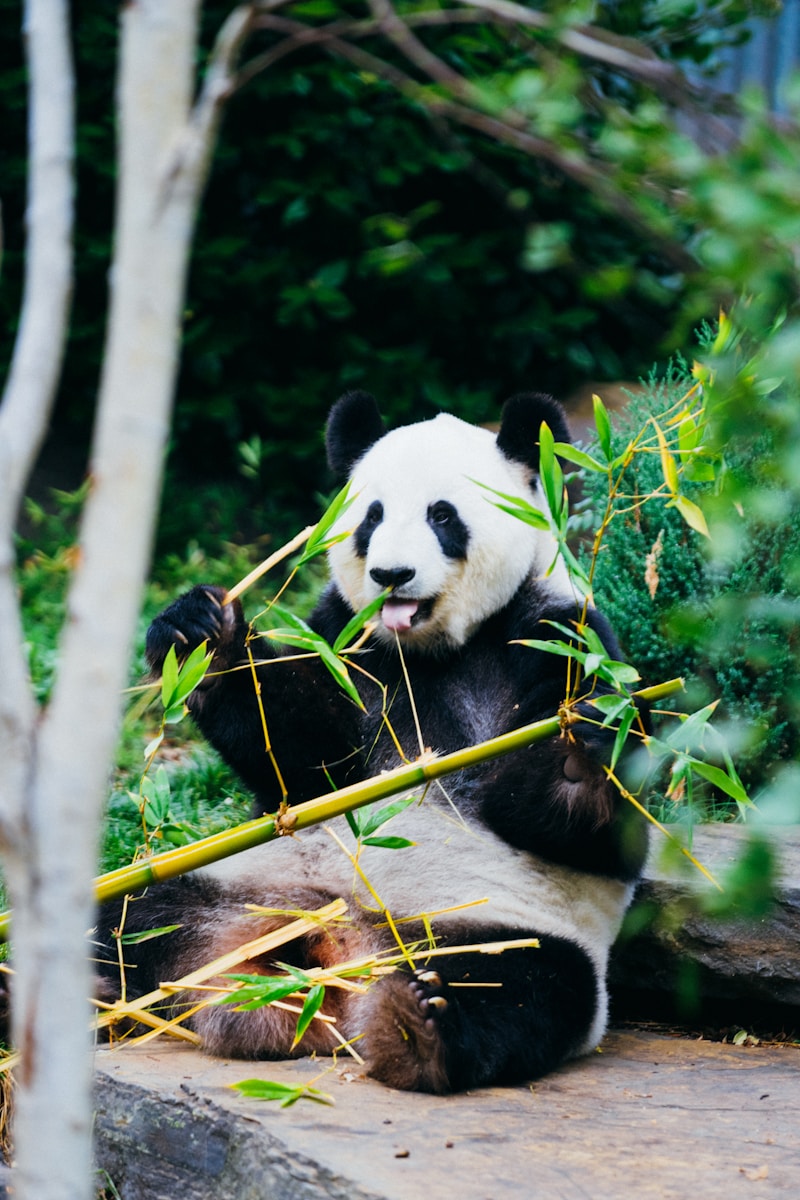
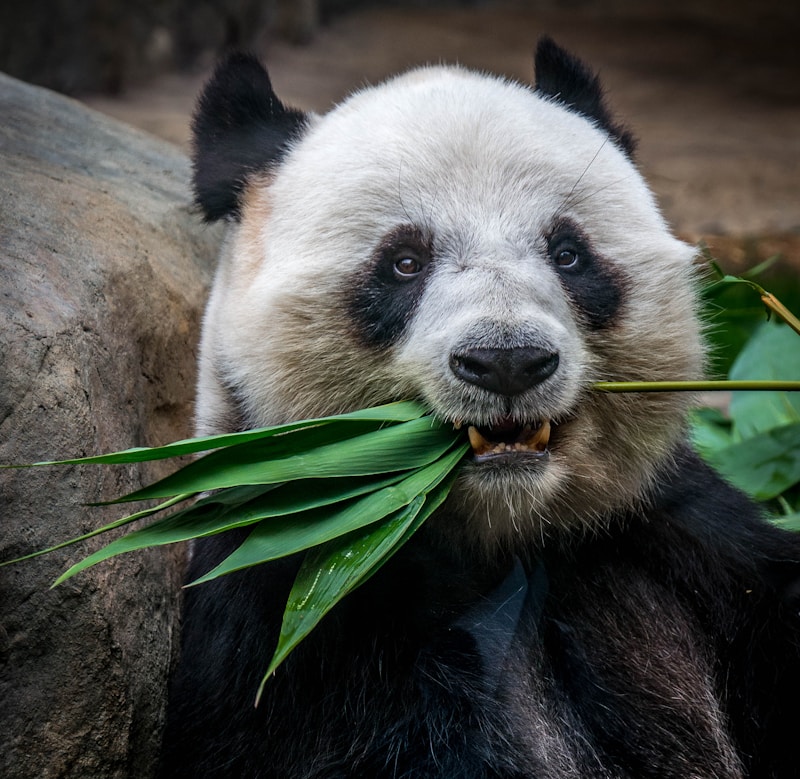
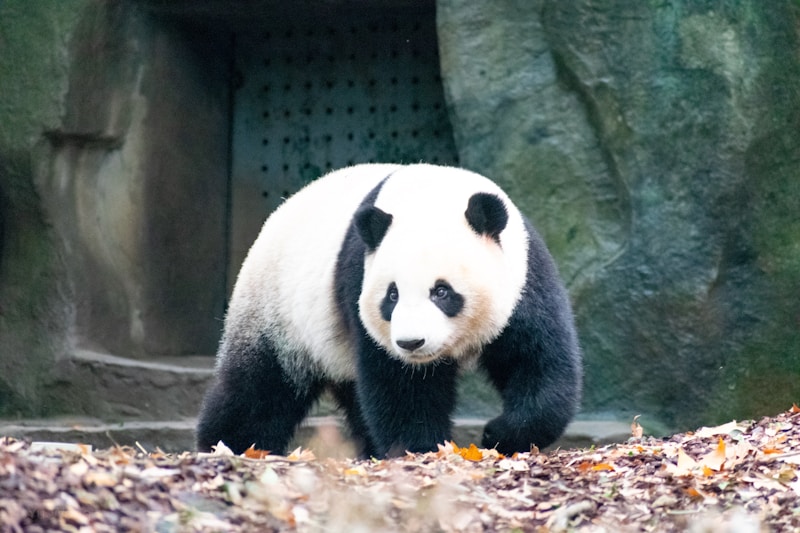
Edinburgh Zoo said annual passes and day tickets for the summer months were already selling at record pace following the announcement. The zoo’s gift shop reported that its stock of panda-themed merchandise had sold out by lunchtime on Wednesday.
The cub is expected to be viewable to the public from late summer, with the zoo planning to introduce timed viewing sessions to manage demand. Updates on the cub’s progress will be posted weekly on the zoo’s website and social media channels.