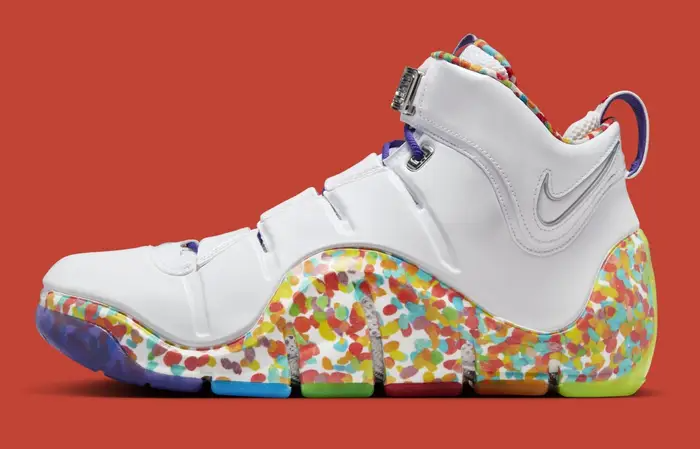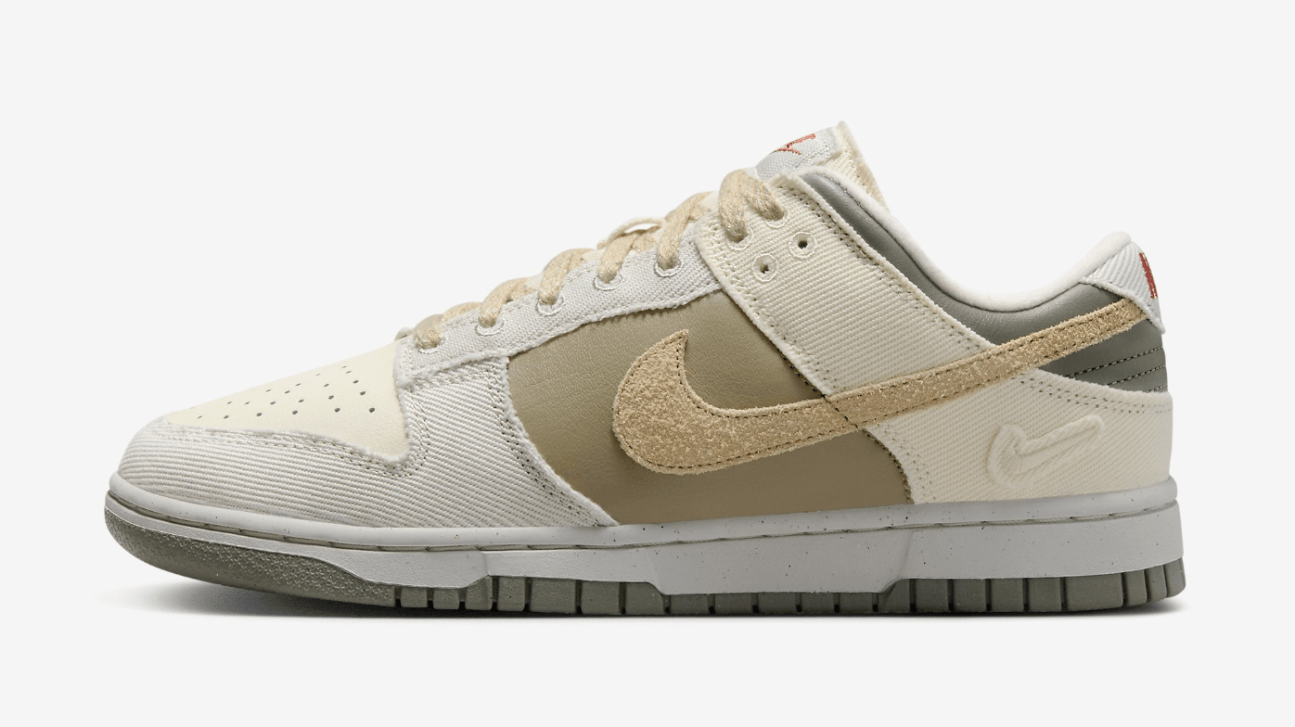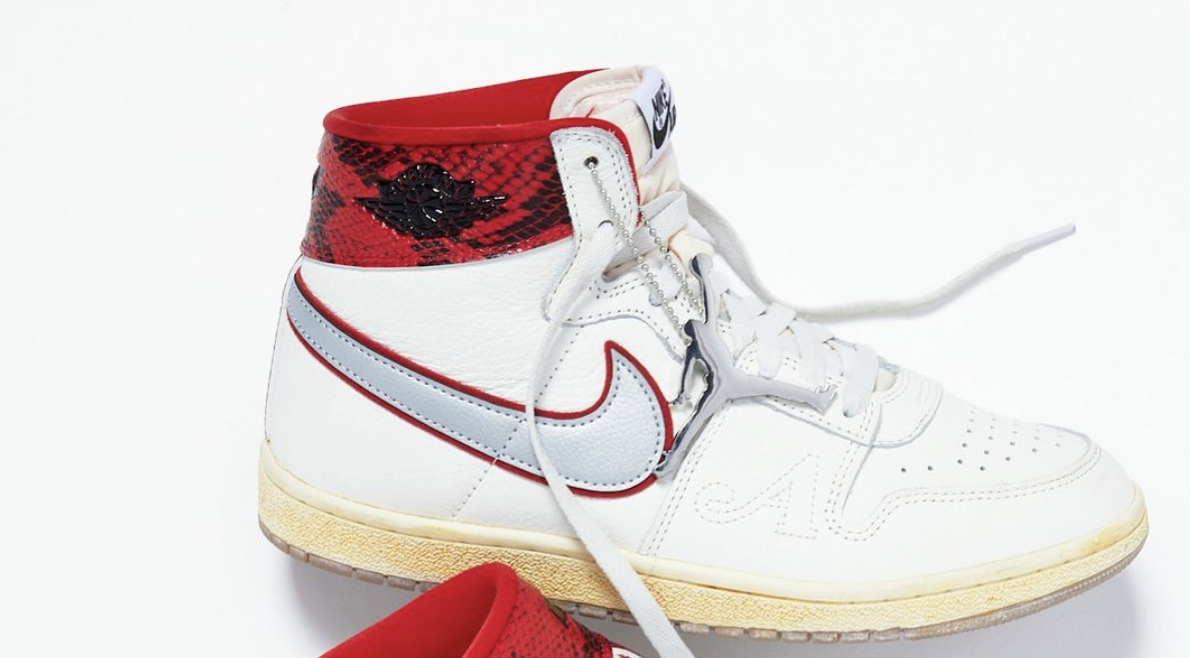
It’s time to get that spring sneaker rotation in order. Luckily, there are plenty of drops worth adding to the collection this week.
Get all of the details for this week’s best sneaker releases below.
-
Checking availability
Straight to the Point
The OXO 9-Cup Coffee Maker kept coffee hot for the longest time in my tests. And it’s hard to beat the Ratio Six, a gloriously simple brewer that’s topped Serious Eats’ review for years.
Best for back sleepers
Purple Harmony Pillow
Materials: Ventilated latex core; hyper-elastic polymer grid; nylon, spanex andn knit cover | Loft: Low, medium and tall options| Firmness: Medium | Size options: Standard, king | Care: Machine-wash cover cold, air-dry
The Purple Harmony Pillow comes in three loft options and can work for most sleep positions, but we like it best for back sleepers thanks to its balanced, medium feel. Granero, a combination sleeper who tends to favor back sleeping, called the pillow “incredibly cushy,” and likened it to a water balloon — in a good way. “There’s a lot of rebound,” she said, which makes it great for people like me who move around a lot.
One reason: Purple’s honeycomb grid layer flexes to cradle your head and neck, helping to relieve pressure. Compared with traditional foam pillows, the open grid structure also allows more heat to escape. Granero found this to be true, noting, “I couldn’t get over how soft and cool the cover felt.” More importantly, she said she woke up with no neck pain during testing. Perhaps the strongest endorsement: After Granero’s sister tried the pillow, she promptly claimed it for herself.
Pros
- 30-night trial
- Three height options
- Cooling
- Designed for pressure relief
- Maintains its shape
Cons
- Over $200
- May be too bouncy for some
Explore More Buying Options
Factors to consider when purchasing a pillow to help with neck pain
Not all pillows support your neck the same way — and the right features can make a big difference. The goal is simple: keep your spine in neutral alignment while you sleep.
“The key is finding a pillow that keeps your spine properly aligned,” says Dasgupta. That comes down to three main factors: your sleep position, plus the pillow’s loft (height) and firmness.
Start with your sleep position
Your ideal pillow will vary depending on how you sleep:
- Back sleepers: Medium or medium-firm pillow with a medium loft
- Side sleepers: Medium-firm or firm pillow with a higher loft
- Stomach sleepers: Soft or medium pillow with low loft
Here’s a more in-depth look at everything you need to know about how to choose a pillow for neck pain:
✔️ Loft: The height of your pillow (aka loft) plays a major role in keeping your neck aligned with your spine. Pillows typically come in low, medium or high loft, and the right choice depends largely on your sleep position.
- Side sleepers need a higher loft to fill the space between the shoulder and head.
- Back sleepers do best with a medium loft that supports the natural neck curve.
- Stomach sleepers should stick with a low loft (or no pillow at all) to avoid neck strain.
If you’re unsure, an adjustable pillow can help you dial in the right height.
✔️ Firmness: “One of the most common myths I hear is that softer is always better,” says Dr. Hossein Aziz, a board-certified spine surgeon at DISC Sports and Spine Center. “A good pillow should maintain neutral alignment while still feeling comfortable.”
- Side sleepers: Typically need firmer support
- Back sleepers: Medium to medium-firm works best
- Stomach sleepers: Softer pillows tend to feel more comfortable
Instead of judging a pillow in-store, focus on how your neck feels in the morning — that’s the real test.
✔️ Shape: Beyond standard rectangular pillows, there are specialty shapes designed for neck support to consider:
- Cervical (contour) pillows: Wave-shaped to cradle the neck and support alignment
- U-shaped or ergonomic designs: Offer targeted support
- Wedge pillows: Can help some people, but should support your upper body — not just your head and neck
The best shape often depends — once again — on your preferred sleep position.
✔️ Fill: Different fills offer different levels of support and feel:
- Memory foam: Arguably the most common fill in pillows designed for neck pain, memory foam tends to provide strong support and stability. Shredded memory foam is often more breathable and flexible than solid foam.
- Latex: Similar to memory foam, latex is supportive and comes in either solid or shredded form. It tends to be more breathable and cooling than memory foam, but is typically more expensive.
- Down: This lightweight and durable fill is made from the soft clusters found beneath a duck’s or goose’s outer feathers. It requires regular fluffing to maintain loft and typically provides less structured support than memory foam or latex.
- Down alternative: Designed to mimic the plush feel of down, this fill uses synthetic fibers instead. It’s typically more affordable than real down and easier to care for. Many are machine-washable and available in a range of lofts and firmness levels.
✔️ Size: Most pillows come in three standard sizes. The best option comes down to mattress size and personal preference. While the height is generally the same, the width varies:
- Standard: 20 x 26 inches
- Queen: 20 x 30 inches
- King: 20 x 36 inches
✔️ Care: Look for pillows with machine-washable covers when possible (most of the picks on our list have them). Whether it has a machine-washable cover or not, always use a pillowcase to help extend its lifespan.
✔️ Certifications: If safety and material transparency matter to you, look for third-party certifications like:
- Oeko-Tex, Made Safe, Greenguard Gold and CertiPUR-US (foam and general safety)
- Global Organic Textile Standard (organic textiles)
- Global Organic Latex Standard (latex)
- Responsible Down Standard (down)
How we tested
Finding the best pillow for neck pain isn’t one-size-fits-all — sleep preferences are highly personal. So instead of relying on specs alone, we combined expert guidance with real-world testing.
To start, I spoke with two sleep experts to understand what actually matters for proper support, including how sleep position, loft and firmness affect spinal alignment. From there, I researched more than 20 pillows marketed for neck pain and tested nine over six weeks. I also reviewed data from Yahoo’s broader pillow testing, where editors evaluated more than 40 options over four months.
Each pillow was assessed across three key areas:
- Design: We considered how quickly each pillow expanded to its intended shape, its overall construction and whether it fit comfortably in a standard cotton pillowcase.
- Performance: I slept on each pillow for at least three consecutive nights, evaluating comfort, support and temperature regulation. If it held up — and didn’t cause or worsen neck pain — I continued testing it for at least two weeks.
- Care: While not a dealbreaker, we gave preference to pillows with removable, machine-washable covers for easier maintenance.
The result: a curated list of pillows that not only check the boxes on paper, but actually feel supportive night after night.
Other pillows for neck pain we tested
For this roundup, I tested nine pillows. Here are some that didn’t make the final cut, mostly due to a lack of support. For more Yahoo editor-tested picks, check out our roundup of the best pillows of 2026.
- Marshmalloo Pillow (firm): This $80 pillow felt like what I’d imagine sleeping on an actual marshmallow would be like — and not in a good way. Even in the firm model, it was overly soft and squishy and didn’t provide much neck support. Stomach sleepers who prefer a very soft, low-loft pillow might like it, though.
- Brooklinen Down Pillow (firm): I wanted to love Brooklinen’s Certified Canadian Duck Down pillow, made with sustainably and ethically sourced feathers, but I didn’t. Because down tends to lose loft over time, I opted for the firm version — but it wasn’t especially firm and didn’t feel as luxurious as I expected. While it didn’t cause or worsen neck pain, it wouldn’t be my pick for an every-night pillow, especially priced at over $100.
- Saatva Latex Pillow (high loft): This pillow popped up quite a bit during my research. People seem to love it for neck pain and for its cooling properties. I can confirm it’s a great pick if you sleep hot and want that dreamy, soft, luxury-hotel feel, but it didn’t help with my neck pain. In fact, I woke up with varying degrees of discomfort each time I tested it. It simply didn’t provide enough support — especially when I slept on my back.
FAQs
Can sleeping on an old pillow contribute to neck pain?
Yes — and they’re often an overlooked culprit. An estimated 10% to 20% of U.S. adults experience neck pain, and while issues like injuries, stress and aging can play a role, your sleep setup matters too.
If everything checks out medically and you don’t need to replace your mattress, your pillow is a smart place to start. “In my experience, old, flattened pillows are a very common contributor to neck pain,” says Aziz. “If your pillow no longer holds its shape or rebounds when you press on it, it is no longer providing meaningful support.”
In other words, that pillow you’ve had since college may not be doing you any favors — and upgrading it is often the simplest fix.
What kind of pillow is best for neck pain?
Memory foam and latex pillows are strong options for neck pain because they offer supportive contouring that can help promote proper alignment. However, “the best pillow for you is the one that’s most comfortable and keeps your neck neutral for your specific sleep position,” says Dasgupta, who notes that instead of focusing on brand or firmness labels, zero in on how your neck and spine feel when you wake up.
Does stacking pillows help with neck pain?
It’s tempting, but adding another pillow is not the fix you might think it is. Stacking pillows can force your neck into an awkward angle, increasing pressure on joints and muscles. Over time, that can make neck pain worse — not better.
“The problem is that stacking pillows under the head usually forces the neck into a flexed position for hours,” warns Aziz. “That increases stress on the cervical discs, facet joints and surrounding muscles. Over time, it can contribute to chronic neck pain.”
Meet our experts
- Hossein Aziz, DO, board-certified spine surgeon at DISC Sports and Spine Center
- Raj Dasgupta, MD, associate program director of the Internal Medicine residency program at Huntington Memorial Hospital in Pasadena, Calif.
Our health content is for informational purposes only and is not intended as professional medical advice. Consult a medical professional on questions about your health.
-
Comprehensive Overview: Eleven Biathlon Events Set for 2026 Winter Olympics in Antholz, Italy

There will be eleven new Olympic champions among the world’s best biathletes in Antholz in South Tyrol over the next few days. This is because eleven biathlon competitions will be held as part of the 2026 Winter Olympics in Italy – not in and around Milan or Cortina d’Ampezzo where most of the other competitions take place, of course, but at the already classic biathlon venue of Anterselva, which is located 380 kilometres to the north-east and close to the Austrian border. Top biathletes of several generations have been familiar with it from countless World Cups since 1971 and thus for more than 50 years.

Biathlon, a two-discipline sport (from the Greek word “bi-athlon”), was invented at the beginning of the 18th century, initially as a military competition called a “patrol race” in the Scandinavian countries, using centerfie rifles. The first civilian biathlon club was founded in Norway in 1861. Biathlon has been on the Olympic program since 1960 (only since 1992 for women). But it was only in the 1970s that the boom and popularity of biathlon as a mass sport began – not because of high participation numbers, but because of millions of enthusiastic television viewers who followed the exciting back-and-forth between dynamic cross-country skiing and the calm shooting sequences on screen. The switch from centerfire to rimfire rifles and to camera-friendly self-indicating targets, which immediately provide the viewer with a clear indication of hits or misses, contributed to this.
Since the Eastern Bloc collapsed and the few rimfire rifles manufactured in the GDR and the Soviet Union have only been used in the form of refurbished vintage guns, the German manufacturer J.G. Anschütz has dominated the world market. In the 1970s, the then senior boss Dieter Anschütz managed to convince the International Biathlon Union (UIPMB, now IBU) that rimfire rifles would make the sport more popular instead of the previous centerfire military rifles. The switch to five-shot rimfire rifles took place in 1978 – spectators could get closer to the shooting range, organizers could build more compact ranges, and young athletes could be trained more effectively and affordably. Peter Fortner’s straight-pull action, which Anschütz began installing in its biathlon rifles in 1985, became a global success due to its faster cycling — currently 97 percent of all biathletes worldwide start with such an Anschütz 1827 “Fortner” in .22 Long Rifle. However, you only see “Viessmann” models on television: for TV adverts, the name of the actual firearms manufacturer is covered with the sponsor’s heating systems logo; at the Olympics, only a single manufacturer’s name is permitted on the entire rifle anyway.
Biathlon: rules and events
Biathlon consists of cross-country skiing and shooting, with the unloaded rifles being carried on special harnesses on the back along the track. Cross-country skiing races in freestyle technique take place on a track that is covered several times depending on the race length. Each lap, the athletes must complete shooting stages (bouts) at the specially equipped shooting range – standing, prone – and fire five shots each (the number of attempts varies according to the discipline). The black targets react to hits and fall backwards showing a white, clearly visible hit indicator in front of them. During TV broadcasts, the hits are displayed digitally in a similar way.
The .22 Long Rifle cartridge has been the prescribed ammunition since 1978. Due to the sensitivity of normal match cartridges to cold, biathlon ammunition is loaded with a different propellant and primer. The tests with the rifles of the top shooters are carried out using cold chambers in which the rifle and ammunition are pre-cooled to practical sub-zero temperatures (down to minus 20 degrees). Ammunition manufacturer RWS in particular made a name for itself with the recently optimised RWS Biathlon Competition cartridge.
The following events will be held at the 2026 Olympics:
Individual: Women over 15 kilometres, men over 20 kilometres. Four shooting bouts between the 5 laps, in which 5 targets must be hit with 5 bullets, first twice prone, then twice standing. A penalty minute is added to the final time for each missed target.
Sprint: For women over 7.5 km and for men over 10 km, three laps each with two shooting bouts, first prone and then standing. One penalty loop of 150 meters for each miss. The first 60 starters in this race qualify for the pursuit.
Pursuit: In the pursuit, the participants’ starts are separated by their time differences from a previous race, women over 10 and men over 12.5 kilometres (5 laps each), with four shooting bouts, two prone and two standing. A penalty loop of 150 meters must be completed for each missed target.
Mass start: In the mass start, participants start simultaneously over 5 laps, women 12.5 km and men 15 km, four shooting bouts prone and then standing. A penalty loop of 150 meters must be completed for each missed target.
Relay: Team competition with four men (4×7.5 km), four women, or mixed 2/2, both with four laps of 6 km each. The race begins with a mass start by the first member of each team. There are two shooting rounds of five shots each. However, there are three spare cartridges to be loaded individually in order to hit the 5 targets. A penalty loop of 150 meters must be run for each missed target.These eleven biathlon disciplines will be held at the 2026 Olympics in Antholz in South Tyrol

Mixed relay 4 x 6km on 8 February, already finished
- Men’s 20km individual on 10 February, already finished
- Women’s 15km individual on 11 February
- Men’s 10km sprint on 13 February
- Women’s 7.5km sprint on 14 February
- Men’s 12.5km pursuit on 15 February
- Women’s 10km pursuit on 15 February
- Men’s 4 x 7.5km relay on 17 February
- Women’s 4 x 6km relay on 18 February
- Men’s 15km mass start on 20 February
- Women’s 12.5 km mass start on 21 February
-
Study Links Gut Microbiome Diversity to Reduced Cognitive Decline in Adults Over 60

STANFORD, Calif. — In what researchers are calling a potential paradigm shift in understanding brain health, a comprehensive five-year study published today in Nature Medicine has revealed a strong correlation between gut microbiome diversity and cognitive function in adults over 60.
The Stanford University-led research team, which analyzed data from more than 12,000 participants across 14 countries, found that individuals with highly diverse gut bacteria populations showed a 42% lower incidence of cognitive decline compared to those with less diverse microbiomes.
“We’ve long suspected the gut-brain axis played a role in neurological health, but the magnitude of this association surprised even us,” said Dr. Jennifer Martinez, lead author and professor of neuroscience at Stanford Medicine. “The data suggests that what we eat—and how it shapes our gut bacteria—may be just as important as traditional factors like exercise and social engagement in maintaining cognitive function.”
The study tracked participants’ gut microbiome composition through regular stool samples while monitoring cognitive performance through standardized memory and reasoning tests. Participants with the most diverse bacterial ecosystems—characterized by higher levels of Faecalibacterium, Akkermansia, and Roseburia species—demonstrated better scores on episodic memory tests and showed slower rates of cognitive decline over the study period.
Particularly striking was the finding that dietary patterns strongly influenced microbiome diversity. Participants who consumed more than 30 different plant-based foods per week showed significantly more diverse gut bacteria than those eating fewer than 10 plant varieties, regardless of overall caloric intake or meat consumption.
“This isn’t about being vegetarian or vegan,” Martinez emphasized. “It’s about variety. A diet rich in different fruits, vegetables, whole grains, nuts, and legumes creates an environment where diverse bacterial species can thrive.”
The research also identified several mechanisms through which gut bacteria might influence brain health. Certain bacterial species produce short-chain fatty acids and neurotransmitter precursors that appear to reduce neuroinflammation—a key factor in Alzheimer’s disease progression. Other species help maintain the integrity of the blood-brain barrier, which typically weakens with age.
Dr. Robert Chen, director of the National Institute on Aging, who was not involved in the study, called the findings “incredibly promising but requiring cautious interpretation.”
“While the association is strong, we still need randomized controlled trials to establish causation,” Chen noted. “However, the beauty of these findings is that increasing dietary diversity carries virtually no downside and numerous other health benefits.”
The research team is now launching a clinical trial to test whether targeted dietary interventions can improve cognitive outcomes in individuals already showing early signs of memory decline. The trial will compare a high-diversity plant-based diet to standard dietary recommendations over 18 months.
For Martinez and her colleagues, the implications extend beyond individual health choices to public policy. “If these findings hold up in intervention studies, we may need to rethink nutritional guidelines for older adults,” she said. “The current focus on limiting certain foods might need to expand toward actively promoting dietary diversity.”
The study also raises questions about the long-term cognitive effects of highly processed diets, which tend to be nutritionally monotonous. American adults typically consume fewer than 15 different plant foods per week, well below the diversity levels associated with better cognitive outcomes in this research.
“We’re not just talking about adding a salad here or there,” Martinez explained. “We’re talking about fundamentally changing how we think about food—viewing it not just as fuel but as information that shapes our internal ecosystem.”
Public health advocates are already seizing on the findings to support calls for better nutrition education and increased access to fresh produce in underserved communities, where dietary diversity tends to be lowest.
As the global population ages and dementia rates rise, any intervention that might preserve cognitive function without pharmaceutical intervention represents a significant breakthrough. While more research is needed to confirm causation and identify optimal dietary strategies, the gut-brain connection appears increasingly central to healthy aging.
The full study, “Gut Microbiome Diversity and Longitudinal Cognitive Outcomes in Community-Dwelling Older Adults,” is available in Nature Medicine.


Leave a Reply