
Author: Dr. Sarah Chen
-
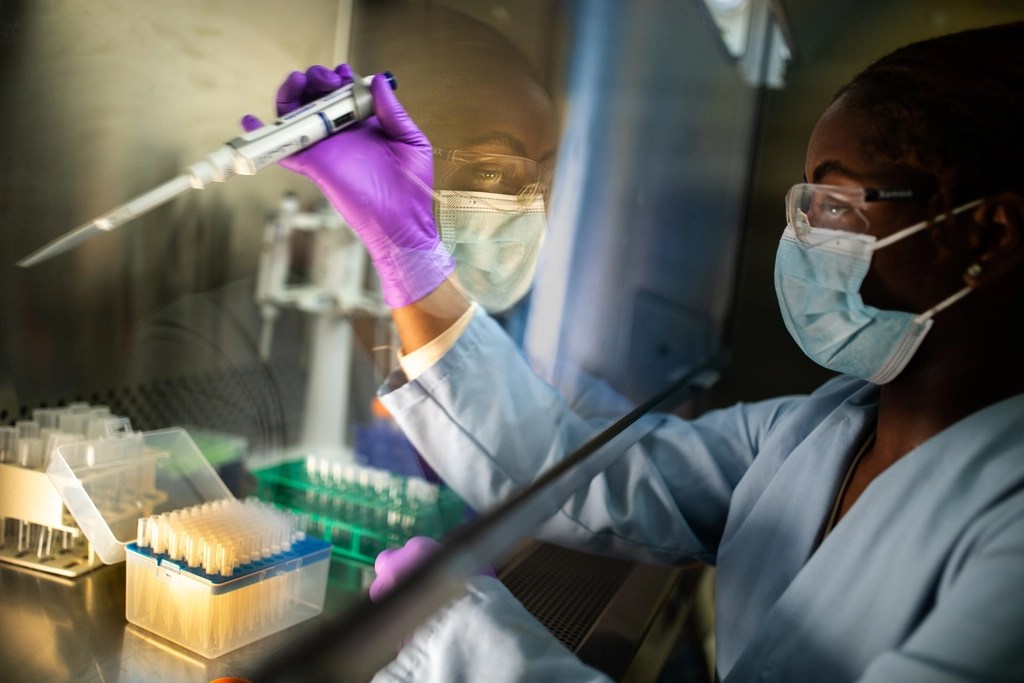
Discover how a diverse gut microbiome may lower cognitive decline risk in adults over 60—explore the new Stanford study and boost your brain health!
-
Scientists have achieved a remarkable breakthrough in regenerative medicine by successfully growing functional human brain organoids that can integrate with damaged neural tissue, offering new hope for treating traumatic brain injuries and neurodegenerative diseases. The research, published in Nature Neuroscience, demonstrates that laboratory-grown neural tissue can not only survive when transplanted into damaged brain regions…
-
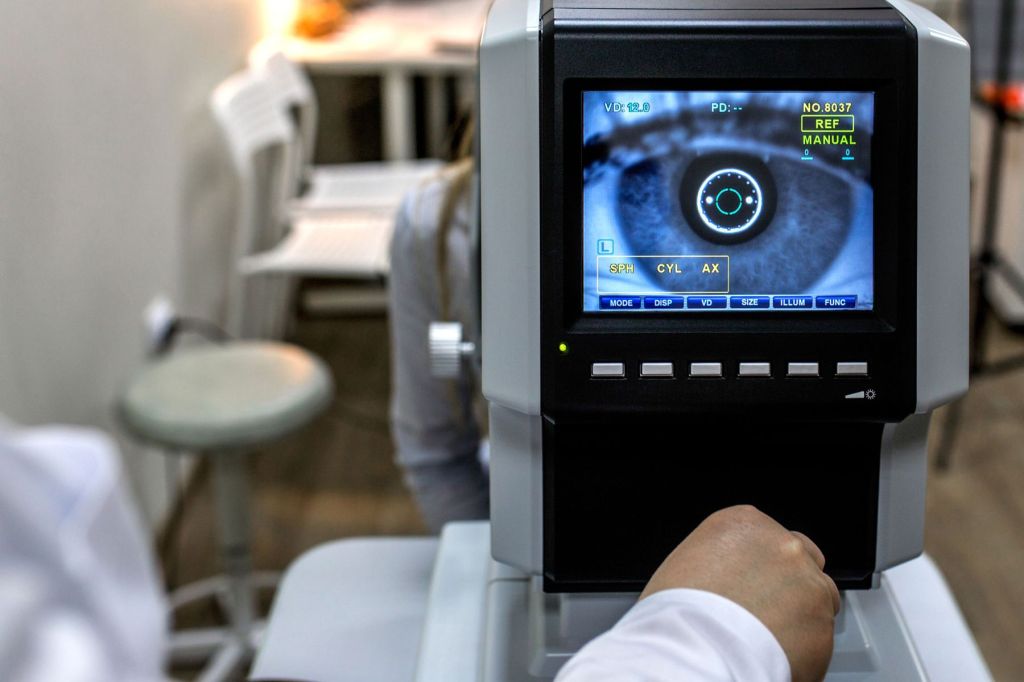
Researchers at Stanford University have developed a revolutionary gene therapy technique that successfully reversed age-related vision loss in early human trials, offering hope for millions of people suffering from macular degeneration. The treatment, called RetinaGen, uses modified stem cells to repair damaged photoreceptor cells in the retina. In a Phase II clinical trial involving 120…
-
The human microbiome—the trillions of bacteria living in our digestive system—plays a far more significant role in immune function than previously recognized, according to groundbreaking research that could revolutionize how we prevent and treat autoimmune diseases. A multi-institutional study published in Cell has identified specific bacterial strains that either suppress or activate immune responses, opening…
-
In a development that could reshape mental health treatment, researchers have identified distinct biomarkers that can predict which patients will respond to specific antidepressant medications, potentially ending the current trial-and-error approach to prescribing. The study, conducted by an international consortium of researchers and published in Nature Medicine, analyzed brain scans and blood samples from 2,300…
-
A comprehensive study published in The Lancet has revealed that sleep patterns significantly impact cardiovascular health more than previously understood, with irregular sleep schedules posing similar risks to smoking and obesity. The research, which tracked 103,000 participants over seven years, found that individuals with irregular sleep patterns—even when getting adequate total sleep hours—showed a 26%…
-
A groundbreaking clinical trial has demonstrated that a novel gene therapy approach could fundamentally change how we treat Type 1 diabetes, offering hope to millions of patients worldwide who depend on daily insulin injections. Researchers at the University of California, San Francisco, have successfully used CRISPR-based gene editing to restore insulin production in patients with…